


 Trusted Content
Key Takeaways
- The risks of driving in Lake Tahoe during the winter include icy roads, reduced visibility, and unpredictable drivers.
- Properly preparing your vehicle, checking weather and road conditions, and adjusting your driving habits can help ensure a safer journey.
- If you’re injured in a winter car accident, an experienced attorney can help you navigate the claims process and pursue the compensation you deserve.
Few places on the West Coast are as beautiful as Lake Tahoe during the winter, with heavy snowfall transforming the landscape into a frozen wonderland each year. However, all of that cold weather can also make for some difficult driving conditions. If you’re planning on visiting the Lake Tahoe area for the first time to indulge in skiing and other seasonal activities, it’s critical to be aware of the potential risks for accidents and prepare both yourself and your vehicle ahead of time.
What Are the Risks of Winter Driving in Lake Tahoe?
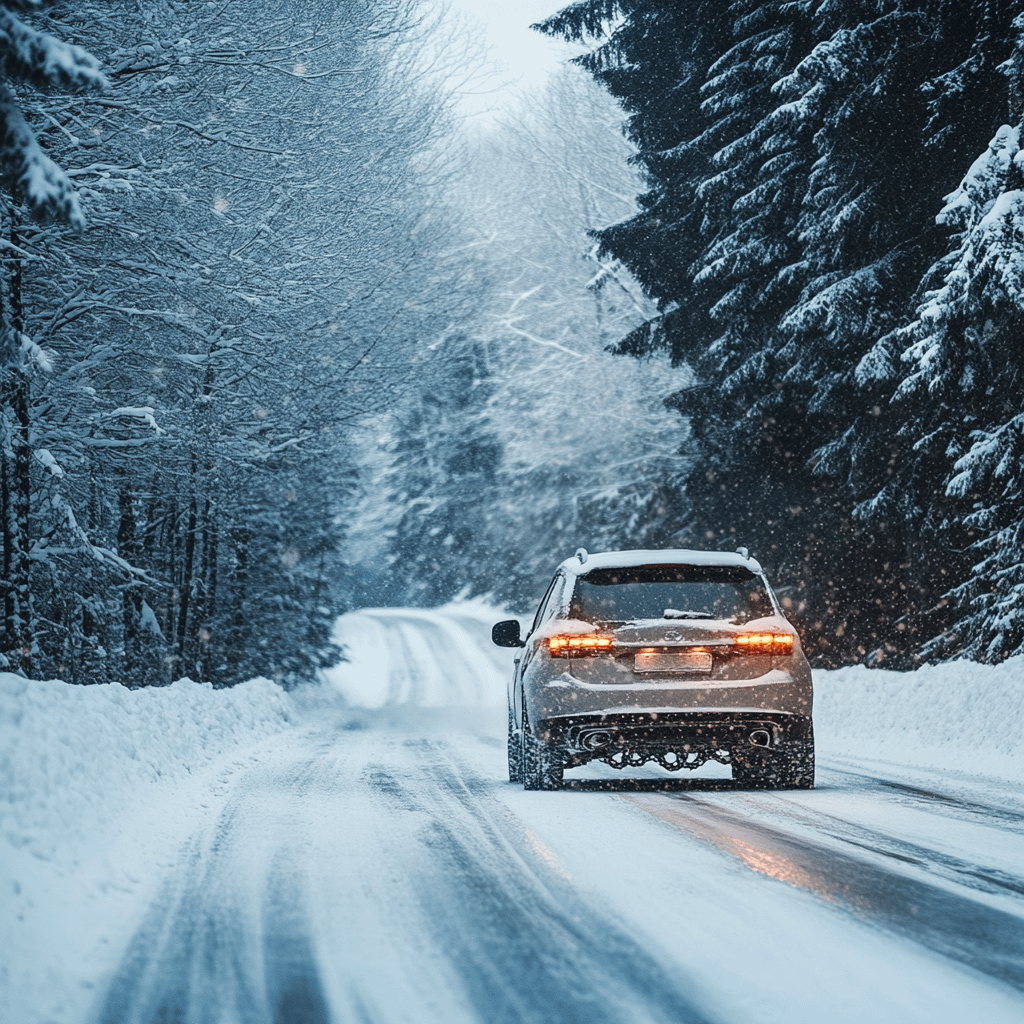
Driving in Lake Tahoe during winter comes with unique challenges that demand extra caution. From icy roads and limited visibility to unpredictable drivers, understanding the risks can help keep you and your passengers safe.
Reduced Visibility
Lake Tahoe receives hundreds of inches of snowfall each year, and foggy conditions are especially common during the winter months. Both of these can make the road and other drivers surprisingly difficult to see. Daylight hours are also shorter during this season, making it more likely that you will be doing some nighttime driving, which can be especially dangerous when combined with adverse weather.
Ice
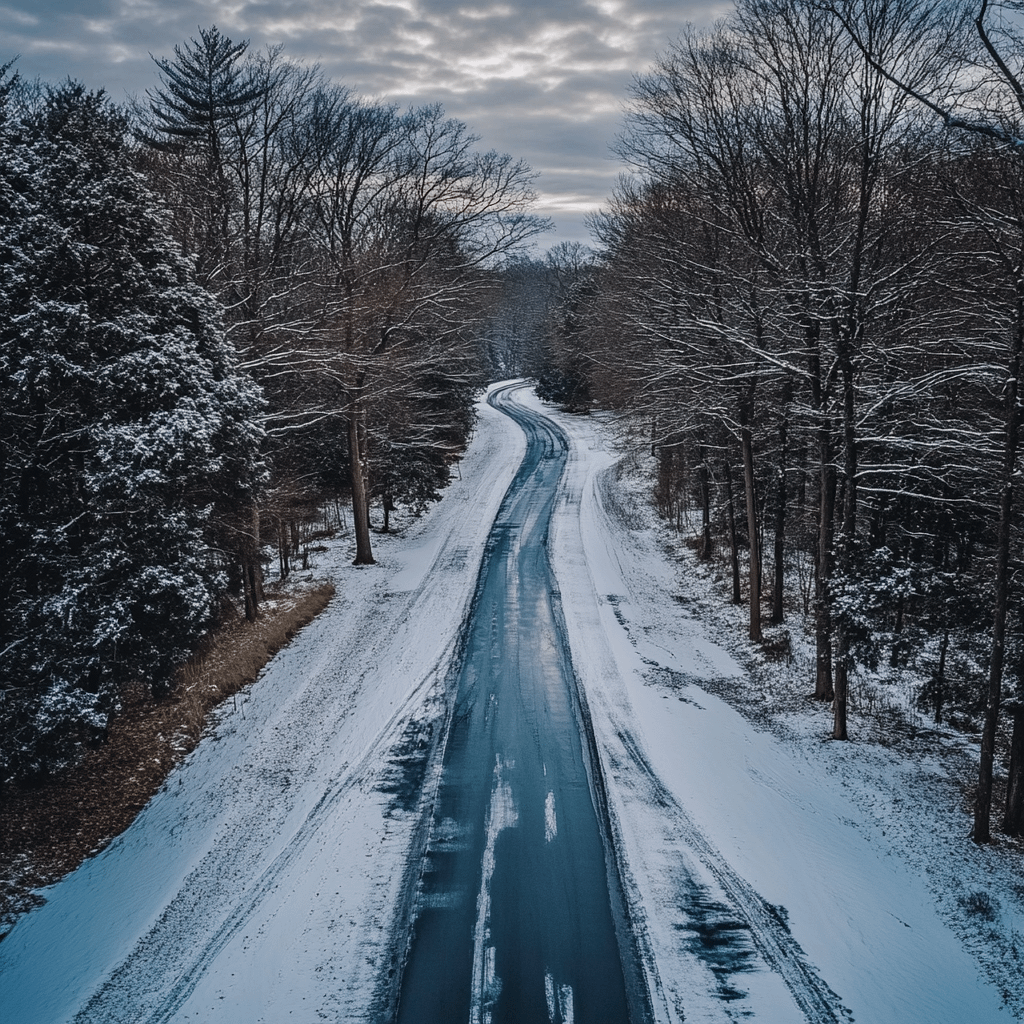
Icy roads are another significant risk when driving to Lake Tahoe in winter. Black ice, a thin layer of transparent ice that blends with the road surface, is a particular danger in the region. Driving over ice without chains or winter tires can lead to a sudden loss of traction, which may cause you to run off the road or collide with another vehicle or object.
Other Drivers
Much like driving during any other time of year, the behavior of others on the road is always a risk. Those who have little to no experience with winter driving may drive too fast, or they might be overly cautious. Because of this, it’s important to be especially vigilant of other vehicles and be prepared to react quickly and appropriately.
How to Avoid Winter Car Accidents in Lake Tahoe
Following these essential tips, from prepping your vehicle to staying safe in an emergency, will help ensure a smooth and enjoyable journey through Lake Tahoe.
Prepare Your Vehicle
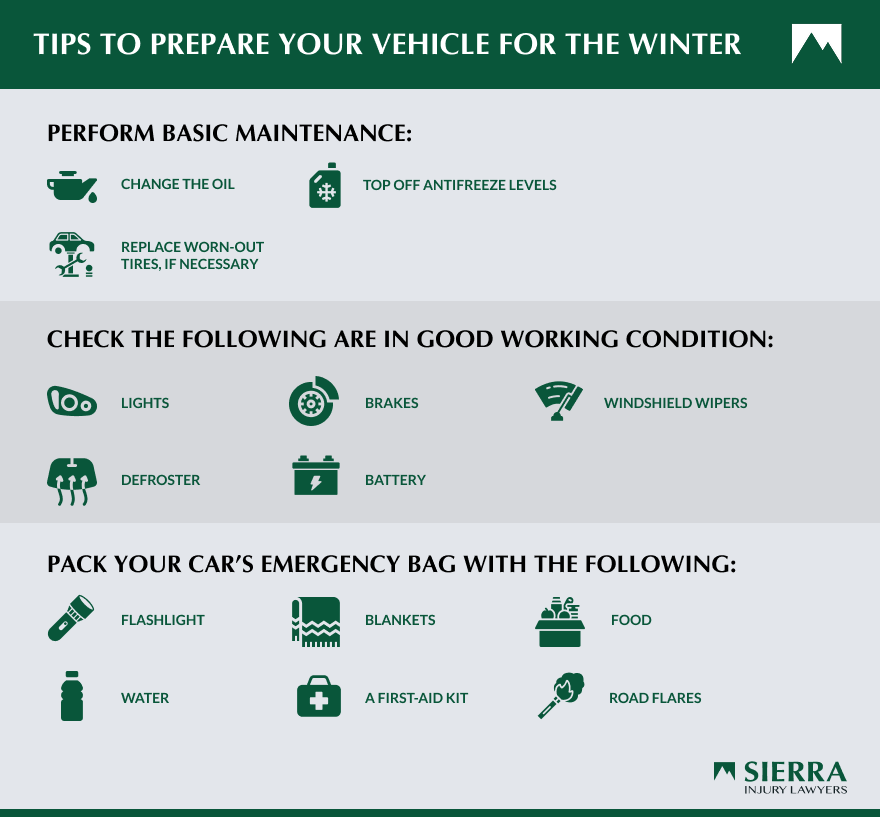
You should always prep your vehicle before it snows. Take care of basic maintenance, such as oil changes, topping off antifreeze levels, and, if necessary, replacing worn-out tires. You should also verify that your vehicle’s lights, windshield wipers, brakes, and defroster are in good working condition. Cold weather can affect battery performance, too, so have it tested before the temperatures dip below freezing.
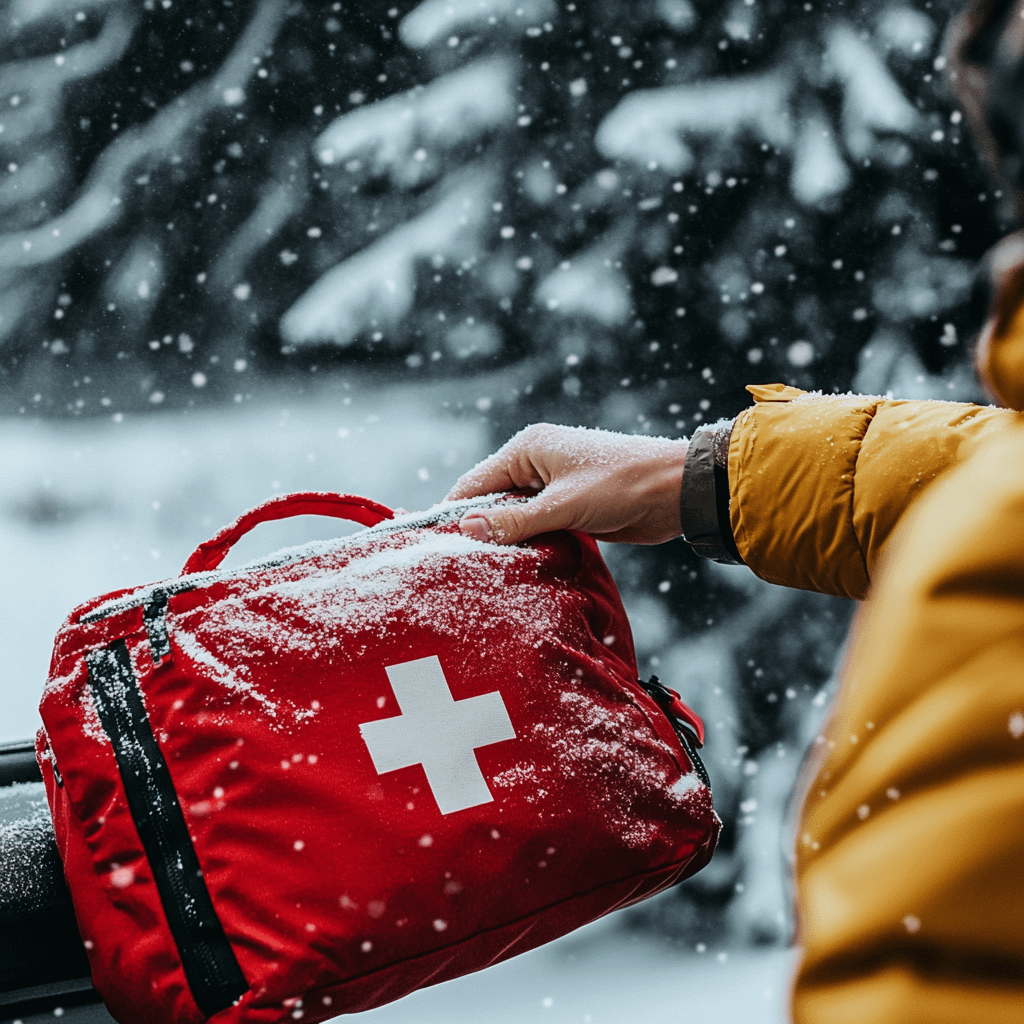
It’s also wise to equip your vehicle with an emergency bag, just in case you get stranded. At minimum, this should include the following items:
- A flashlight
- Blankets
- Food
- Water
- A first-aid kit
You should also consider adding road flares to your kit. If you get stranded on the edge of a roadway, you can use the flares to signal your position to other drivers and reduce the chances that someone will strike your car.
Check the Weather
Always check the weather forecast for your area before departing. There are plenty of great resources available, including the National Weather Service and local news sites. You can also follow local news stations on social media. Remember that road conditions can change quickly, so look at both the hourly and daily forecasts on the day of your trip. If there will be heavy snowfall in the evening, you may want to get off the roads in the afternoon so you can avoid the harshest conditions.
Check for Chain Controls and Snow Plows
Before you hit the road, you can check if your route includes roads that require chains using the QuickMap feature on the California Department of Transportation’s website. Simply select “chain controls” under road conditions and search your area. The map also shows you which roads have active snow plows.
The California Highway Patrol’s Truckee office also provides chain control updates on its Instagram page. You can also find information on road closures, safety tips, and a few laughs on their feed.
Review Road Closures and Traffic
Unexpected road closures can be frustrating and add a considerable amount of time to your drive. To save yourself the hassle and ensure the safest drive possible, review road closures on the California Department of Transportation’s website (noted above). You can also access livestream footage of popular roads on the Truckee Chamber of Commerce website. There you can see video showing certain parts of I-80, Hwy. 89, Hwy. 276, downtown Truckee, and more.
Adjust Your Driving
While you may be eager to participate in Lake Tahoe winter activities, it is important to adjust your driving habits based on road conditions. If you do not feel comfortable driving in the current conditions, it is best to cancel your plans. Here are some other ways to keep yourself a little safer while driving in Lake Tahoe in the winter:
- Drive Slowly: Reduce your speed to compensate for slippery roads.
- Avoid Sudden Movements: Steer, accelerate, and brake gently to maintain control of your vehicle.
- Increase Following Distance: Allow more space between your car and the vehicle ahead to give yourself ample time to react.
Be Cautious When Sharing the Road With Snow Removal Vehicles
Snowplows and sanding trucks are a regular part of winter driving in Lake Tahoe and play an important role in keeping roads open and safe. Because these vehicles are actively clearing snow, applying sand, and treating icy surfaces, they often move slowly and may make wide or unexpected movements based on changing road conditions. Drivers should give them extra space and avoid following too closely, as snow, ice, and road treatment materials can reduce visibility and traction in the immediate area around the vehicle.
When passing snow removal equipment, only do so when the road ahead is clearly visible and fully plowed. Also note that snowplows are often wider than they appear, and portions of the blade may extend beyond the main body of the truck, especially in heavy snow. Do not drive alongside a snowplow as it may shift within its lane after hitting snowbanks or packed ice.
If you encounter a snowplow approaching from the opposite direction or merging ahead of you, reduce your speed and allow additional space whenever possible. Snowplow operators have limited visibility, particularly during active snowfall or low-light conditions, so it is important not to assume you are fully visible to them at all times.
Know What to Do in an Emergency
Take time to consider what you will do if you find yourself in an emergency situation. If you become stranded, place reflective triangles around your vehicle or activate your flares. After you have done that, get back inside your vehicle, especially if it is storming. Run the engine periodically to heat up the cabin, but do your best to conserve fuel. You should also be sure to check your tailpipe for blockages to avoid a buildup of carbon monoxide. Lastly, call for assistance and ride out the bad weather.
What to Do After a Winter Car Accident in Lake Tahoe
A car accident in Lake Tahoe during the winter can be especially stressful. Knowing what to do in the moments after a crash can help protect your safety, preserve important evidence, and strengthen any future insurance or injury claim.
1. Prioritize Safety First
Your immediate priority after a crash should always be safety. Check yourself and your passengers for injuries and call 911 to request medical assistance. If the accident is minor and the vehicles can still be driven, move them to a safe location away from traffic if possible. To reduce the risk of secondary collisions, turn on your hazard lights, and consider using flares or reflective triangles if you have them available.
2. Report the Accident to the Police
In California, you are required to report any crash resulting in injury, death, or property damage exceeding $1,000 to local law enforcement. When the police arrive, they will create an official police report that can later serve as valuable evidence in an insurance claim or personal injury case. This report typically documents information such as:
- Road and weather conditions
- Visible ice or snow accumulation
- Vehicle damage
- Driver statements
- Witness information
- Whether chains or snow tires were being used
3. Document the Accident Scene Before Conditions Change
Winter weather can erase critical evidence quickly. Snowfall, plows, melting ice, and changing traffic conditions may alter the scene within minutes or hours. Because of this, documenting the accident as thoroughly as possible can be extremely important.
If you are physically able to do so safely, try to take photographs or video showing:
- Vehicle positions
- Damage to all vehicles involved
- Skid marks or slide patterns
- Ice or snow on the roadway
- Traffic signs or signals
- Weather and visibility conditions
- Any nearby hazards
You should also gather contact and insurance information from all drivers involved. If witnesses saw the accident occur, ask for their names and phone numbers before they leave the area.
4. Seek Medical Attention as Soon as Possible
Even if you do not believe you were seriously injured, it is still important to seek a medical evaluation after a crash. Some injuries may not produce immediate symptoms due to adrenaline or shock, particularly after stressful or traumatic collisions.
Conditions such as whiplash, concussions, soft tissue injuries, and internal injuries can take hours or even days to fully appear. Delaying treatment may not only put your health at risk, but could also make it more difficult to connect your injuries to the accident later.
5. Notify Your Insurance Company
Most insurance policies require prompt notification after an accident, regardless of who was at fault. When reporting the collision, provide basic factual information about when and where the crash occurred and avoid speculating about what happened.
6. Understand That Winter Weather Does Not Automatically Eliminate Fault
California is an at-fault state for car accidents, which means that the driver who caused the crash is financially responsible for the damage. However, a common misconception after a winter crash is that bad weather automatically means no one is responsible. In reality, drivers are expected to adjust their driving behavior based on road and weather conditions. A driver may still be liable for a winter accident if they:
- Drove too fast for conditions
- Failed to maintain a safe following distance
- Ignored chain control requirements
- Made unsafe lane changes
- Drove distracted or impaired
- Failed to maintain proper vehicle equipment
Determining fault in a winter accident may require reviewing police reports, photographs, witness statements, roadway conditions, and other evidence.
7. Consider Speaking With a Car Accident Attorney
Winter weather crashes can involve serious injuries, disputed liability, and complicated insurance issues. An attorney can help investigate the accident, preserve evidence, communicate with insurers, and determine whether you may be entitled to compensation for your losses.
What Compensation Can You Recover After a Winter Car Crash?
If another driver’s negligence contributed to the crash, you may be entitled to recover compensation for the losses you have suffered. The amount and type of compensation available will depend on the specific facts of the accident, the severity of your injuries, and how the crash has affected your daily life. In general, however, victims can pursue compensation for:
Medical Expenses
Medical bills are often one of the largest costs associated with a winter weather accident. Depending on the severity of the crash, victims may require emergency treatment, hospitalization, diagnostic imaging, surgery, physical therapy, or long-term rehabilitation.
Compensation may be available for both current and future medical expenses related to the accident, including:
- Emergency room visits
- Ambulance transportation
- Surgeries and hospital stays
- Prescription medications
- Physical therapy
- Chiropractic care
- Follow-up appointments
- Assistive medical equipment
Lost Income and Reduced Earning Capacity
Many accident victims are forced to miss work while recovering from their injuries. Some may be unable to return to their previous jobs at all, particularly after severe crashes involving spinal injuries, broken bones, or traumatic brain injuries.
Depending on the circumstances, injured victims may be able to recover compensation for:
- Lost wages
- Missed business opportunities
- Lost earning potential
- Reduced future earning capacity
These damages can be especially significant when injuries result in long-term disability or ongoing medical limitations.
Pain and Suffering
Not all damages after a car accident are purely financial. Winter crashes can result in substantial physical pain, emotional distress, anxiety, and reduced quality of life.
Compensation for pain and suffering may account for:
- Chronic pain
- Emotional trauma
- Mental anguish
- Loss of enjoyment of life
- Permanent disability or disfigurement
In serious injury cases, these non-economic damages may represent a substantial portion of a claim.
How a Lake Tahoe Car Accident Attorney Can Help After a Winter Crash
Winter weather accidents are often more complicated than standard car accident claims. Snow, ice, low visibility, and chain control requirements can create disputes about fault and liability. Insurance companies may also try to blame dangerous road conditions rather than negligent driving in an effort to reduce payouts.
An experienced car accident attorney can help by:
- Investigating the accident: Reviewing police reports, photos, witness statements, road conditions, and other evidence to determine how the crash occurred and who may be responsible.
- Handling insurance companies: Communicating with insurers, protecting you from unfair settlement tactics, and negotiating for fair compensation on your behalf.
- Calculating your damages: Assessing the full extent of your losses, including medical expenses, lost income, pain and suffering, property damage, and future treatment costs.
- Addressing complex liability issues: Identifying all potentially liable parties and determining how California’s comparative negligence laws may affect the case.
- Managing deadlines and paperwork: Helping ensure claims, evidence, medical records, and legal filings are handled properly and on time.
Having experienced legal guidance helps you avoid missteps that can reduce the compensation you may be eligible to recover and allows you to focus on healing while someone else handles the legal process.
Lake Tahoe Winter Driving Conditions: FAQs
Are Car Accidents More Common in the Winter?
Car accidents aren’t necessarily more common in the winter than in other seasons. This is mainly because fewer drivers are on the road during adverse conditions. Despite this, driving during the winter still demands just as much, if not more, care due to the season’s unique road conditions.
What Should I Do if There Is a Snowplow on the Road?
If you encounter a snowplow on the road, maintain a safe following distance. They often travel well below the posted speed limit. Do not pass snow plows on the right, as they may be clearing snow to that side. Keep in mind that snowplow drivers have limited visibility and may not see you. If and when it is safe to do so, pass on the left side.
Do I Need Tire Chains for Lake Tahoe?
Yes, tire chains are a great idea if you will be driving to Lake Tahoe in winter. In fact, chains are often required in certain areas during the peak winter months, even if your car has snow tires. Make sure you use tire chains if they are mandated so you can avoid fines and keep yourself safe.
Are the Roads in Lake Tahoe Sanded?
Yes, the roads in Lake Tahoe are sanded when conditions necessitate the practice. Sanding helps address black ice and snow accumulation. However, that does not mean there is zero risk involved in driving on winter roads. You will still need to look out for snow buildup and ice. Adjust your driving habits based on current conditions, and always remain aware of your surroundings.

Were You Injured in a Lake Tahoe Accident? Give Us a Call
Driving in Lake Tahoe in the winter involves a baseline level of risk. Despite your efforts to prepare, you could still be involved in a car accident and suffer serious injuries. When that happens, you need to partner with an experienced attorney who handles car accident claims.
The car accident attorneys at Porter Simon Sierra Injury Lawyers can provide the guidance you need. Contact us to schedule a free consultation and discuss your situation. We will help you explore your options and identify the best course of action based on the unique circumstances of your case.
Article Sources
-
National Weather Service
https://forecast.weather.gov/MapClick.php?zoneid=CAZ072 -
Caltrans
https://quickmap.dot.ca.gov/ -
CHP Truckee Instagram
https://www.instagram.com/chp_truckee/?hl=en -
Truckee Chamber of Commerce
https://truckee.com/explore-truckee/general-info/webcams/ -
GoTahoeNorth
https://www.gotahoenorth.com/road-conditions/ -
Tahoe Forest Health System
https://www.tfhd.com/locations/