

Key Takeaways
- Skiing carries an assumed level of risk, but resorts, guides, and other skiers can still be held liable when preventable factors, like unsafe conditions or reckless behavior, cause an injury or death.
- Liability waivers don’t automatically protect a resort or tour operator from a claim if they knew of a specific danger, such as an avalanche warning or malfunctioning lift, and failed to act on it.
- Ski accident claims can be difficult to prove because responsibility is often unclear, physical evidence is limited on open terrain, and insurers may argue the injured person assumed the risk.
There are few recreational activities as synonymous with the energetic outdoor lifestyle of the Sierra Nevada as skiing. Skiing is an enjoyable experience that draws millions of tourists to the Lake Tahoe area every year, and with its steep slopes, amenable weather, and dozens of ski resorts to choose from, it’s easy to see why.
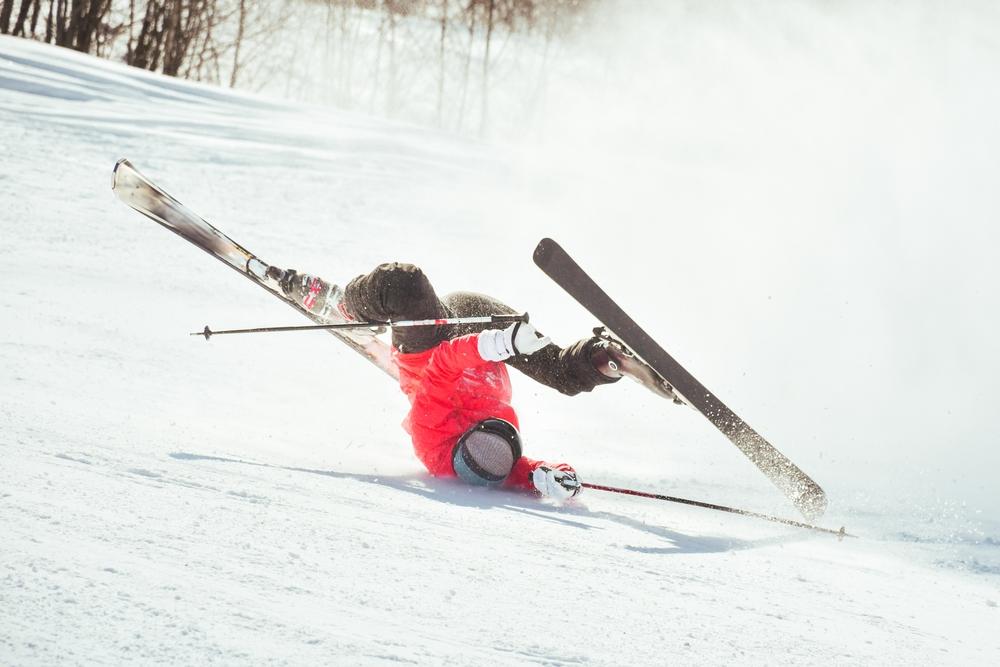
But as popular and thrilling as the sport of skiing is, every skier knows that it comes with its fair share of risks. This year is already proving to be one of the deadliest on record for winter sports accidents in Lake Tahoe. This February, nine people were killed in an avalanche at the Donner Land Trust while participating in a guided tour. That same week, Heavenly Mountain Resort saw two unrelated fatal skiing accidents in a single day, while two additional fatalities occurred at Northstar California Resort due to a collision.
These tragic incidents have left victims, families, and the public with countless questions, but chief among them: Who, if anyone, can be held responsible for an accident that happens on the mountain?
The Legal Reality: Skiing Comes With Inherent Risks
Skiing, like many physical recreational activities, has an implied assumption of risk. In other words, certain risks are simply part of the sport, such as sudden weather changes, hidden icy patches, or natural terrain hazards. Because of this, many ski resorts waive their liability when accidents beyond their control occur on the premises. However, certain risks, such as unsafe trail conditions or collisions caused by reckless skiing, are reasonably preventable. When accidents result from these controllable factors, the parties responsible may be held liable, even if a liability waiver was signed.
When a Ski Accident May Be Someone Else’s Fault
There are practically endless scenarios where someone other than yourself may be held liable for your skiing accident. Below is a breakdown of the various parties who may be held responsible, with a few examples of when liability may be attached to them.
Resort Negligence
Ski resorts have a legal responsibility to maintain safe premises and prevent the risk of accidents within their control. While hazards are common on trails or even within the facility, if management becomes aware of a specific danger (such as a malfunctioning ski lift, icy walkway, or obstacles on the slopes) and fails to address them, or at the very least, warn skiers of the danger, they can be held liable for any resulting injuries or fatalities.
Guide Negligence
In the recent case of the Donner Land Trust tragedy, reports indicate that avalanche warnings were in place at the time of the trip. While the investigation into why the excursion proceeded is still ongoing, the incident highlights an important point: guides and tour operators have a responsibility to assess conditions and respond appropriately to known or reasonably foreseeable risks when clients are under their care. When they fail to meet that responsibility, they may be held liable when injuries or fatalities occur.
Other Skiers
As we’ve seen in the recent fatalities at Northstar California Resort, collisions can easily become the source of a severe or deadly injury on the slopes. These accidents are a particular risk during peak season, when mountains are packed with skiers and snowboarders. Collisions often stem from preventable behavior, such as skiing at excessive speeds, failing to yield the right of way, or attempting terrain beyond one’s skill level. When a skier acts carelessly or beyond their abilities and causes harm to others, they may be held liable for the resulting injuries.
What Comes Next If Someone Else is Liable?
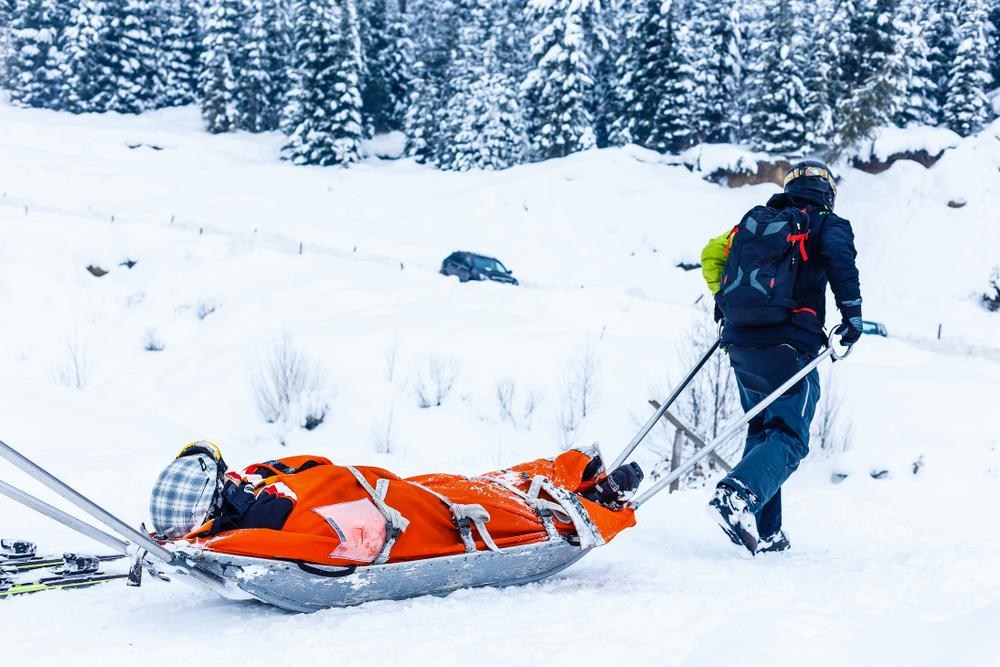
When someone else’s negligence causes harm, injured parties have the right to file a personal injury claim and pursue compensation for their medical bills, damaged equipment, pain and suffering, lost income, and other losses. However, pursuing a claim after a skiing accident is not always straightforward. As recent incidents in the Lake Tahoe area have shown, these cases can involve several challenges, including:
- Unclear responsibility: It is not always immediately clear who is at fault. Collisions may involve multiple skiers, while more complex incidents like avalanches or ski-lift accidents can raise questions about the role of guides, operators, or resort management.
- Limited evidence: Because accidents occur on open terrain or remote mountain areas, there may be little physical evidence available. Key details often rely on witness accounts and incident reports.
- Liability waivers and assumption of risk: Many tour groups and resorts require skiers to sign waivers, and insurers may argue that the injured person accepted the risks of the activity or was partially at fault.
For these reasons, working with an attorney who understands skiing accidents and liability issues can make a meaningful difference. An experienced lawyer can help gather evidence, identify responsible parties, and build a strong case for fair compensation.
Do You Need Help After a Serious Ski Accident in Lake Tahoe?
Skiing will always involve a certain degree of risk, which, for many locals and tourists alike, is the appeal of this exciting recreational activity. But when an injury or fatality occurs because of unsafe conditions, reckless behavior, or preventable failures, you have the right to hold those at fault accountable.
If you’ve been injured or have tragically lost a loved one in a skiing accident, Porter Simon Sierra Injury Lawyers can help file a claim and get the results you deserve. Our Lake Tahoe skiing accident lawyers have extensive experience with these often complex cases and have the resources to fully investigate your claim, successfully negotiate with insurance, and fight for your right to fair compensation. Contact us today for a free consultation to go over your options.